 |
 |
 |
|---|

 |
 |
|---|
 |
|
|---|---|
 |
 |
|
|
 |
|
|
|
 |
|
|
|
 |
|
|
|
 |
|
|
|
 |
|
|
|
 |
|
|
|
 |
 |
|---|
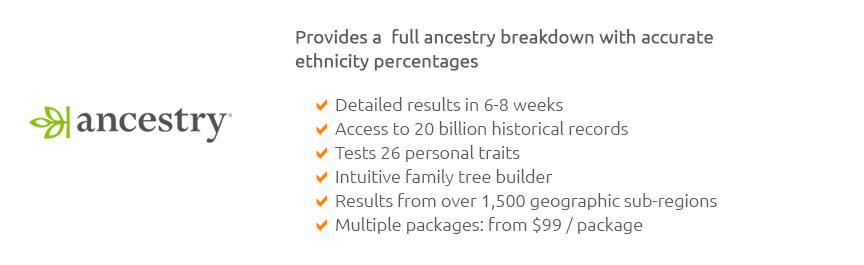
Ancestry Australia: Exploring Your Roots Down UnderIn a world that is increasingly interconnected, the quest to uncover one's ancestry has become more than just a pastime; it is a journey to understand the very essence of who we are and where we come from. Australia, with its rich tapestry of cultures and histories, offers a unique canvas for those delving into their genealogical roots. As you embark on this fascinating adventure, there are several aspects to consider that will enrich your experience and deepen your understanding of your heritage. First and foremost, it's essential to recognize the diverse origins of Australians. The nation is a melting pot of indigenous cultures, British colonization, and waves of immigration from all corners of the globe. This diversity means that your ancestry research could take you on unexpected paths, perhaps leading you to distant lands you hadn't initially considered. The indigenous Australians, whose history dates back over 65,000 years, represent one of the world's oldest continuous cultures. If you have Aboriginal heritage, it could offer profound insights into ancient traditions and knowledge systems that have been passed down through generations. For those with European ancestry, particularly British and Irish, Australia was historically a penal colony, and many Australians today can trace their lineage back to convicts or settlers seeking a new life. It's a fascinating narrative that intertwines hardship, resilience, and triumph. Accessing records from this era can be both challenging and rewarding, as it involves sifting through old registries and understanding the context of the times. The National Archives of Australia and state libraries are invaluable resources for uncovering these stories. Technology plays a pivotal role in modern ancestry research. The advent of online databases and DNA testing has revolutionized the way we connect with our past. Websites like Ancestry.com.au and MyHeritage offer comprehensive collections of Australian and international records, making it easier than ever to trace your lineage. DNA testing can provide insights into your ethnic makeup and connect you with relatives you never knew existed. However, it's crucial to approach these tools with a critical mind; while they offer possibilities, they are not without limitations or inaccuracies. As you piece together your family tree, consider the cultural contexts and societal conditions that shaped your ancestors' lives. Understanding the historical backdrop can bring clarity to why certain family decisions were made or why migrations occurred. It's a chance to walk in the footsteps of your forebears, appreciating the challenges they faced and the legacies they left behind. Another aspect worth contemplating is the emotional journey of discovering one's ancestry. It's not uncommon to encounter unexpected revelations that can alter your sense of identity. Be prepared for a rollercoaster of emotions, ranging from pride and joy to confusion or even sorrow. Engaging with family members and sharing stories can provide comfort and a sense of belonging, reinforcing the bonds that tie us together across generations. Lastly, while the quest to uncover your roots is deeply personal, it also holds broader significance. In an increasingly globalized world, understanding our ancestry fosters empathy and appreciation for the diverse human experience. It bridges gaps and builds connections across cultures, reminding us that while our individual stories may be unique, they are part of a larger human tapestry. In conclusion, exploring your ancestry in Australia is not just a journey into the past, but a path to self-discovery and connection. With an open mind and the right resources, you can uncover the stories that have shaped your family and, in turn, yourself. As you navigate this intricate web of history, remember that every thread you trace adds depth and richness to the ongoing narrative of your life. https://www.ancestry.com.au/?srsltid=AfmBOoqqcGbErvzjdAWr2YSVmLZmUuKW5CPeQcvdQqJBgzA5TnJyOz8m
Search the world's largest collection of online family history records, from archives in Australia, New Zealand and around the world. https://www.ancestry.com/search/places/australia/
... genealogy resources to help you trace your Australia ancestors. Collections. Data Collections. Sorted by Australia census & voter lists. Sort by Count ... https://www.ancestry.com.au/search?srsltid=AfmBOoqwJ0HqJ4Xrobq56tmPYeG8Pu-xKkDgrjUfiizqn62qcggatyYS
Explore by location - Australian Capital Territory - New South Wales - Norfolk Island - Northern Territory - Queensland - South Australia - Tasmania - Victoria
|
|---|

